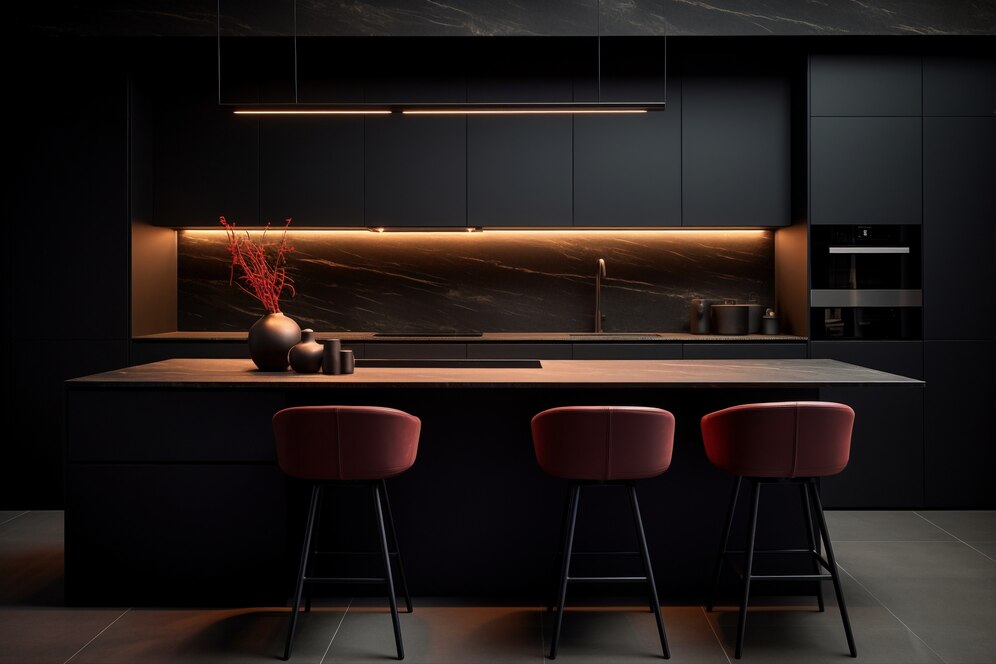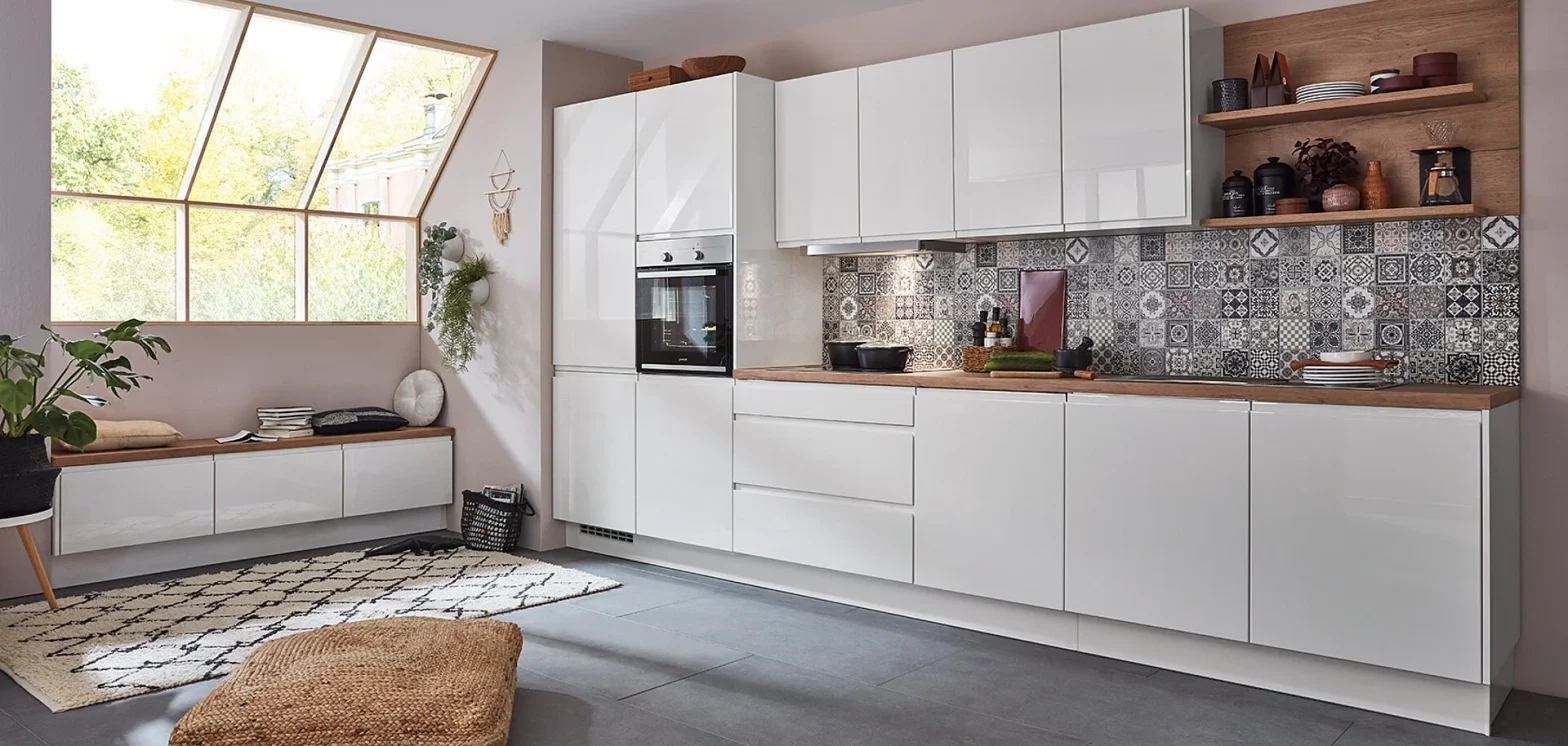
Walk into a kitchen with no bulky trim, no visible screws, and no wasted corner; that clean look usually comes down to one thing: European cabinets. They’re built without a face frame, so every drawer opens fully, and every inch of space actually gets used. It’s a style that’s been standard across Germany and Italy for decades, long before “minimalist” became a buzzword here.
And it’s not just a look; people like the numbers back it up. According to Research and Markets, it puts the European kitchen cabinets market at over $23.4 billion in 2024, with growing urbanization and smaller living spaces pushing more homeowners toward compact, efficient cabinet designs instead of bulkier traditional builds.
That’s the world, Blackbox. Kitchens builds in German and Italian cabinetry, fully assembled and ready to install. Want to see what that looks like in your own kitchen? Take a look at our collections.
How Are European Kitchen Cabinets Designed?
One of the defining features of European kitchen cabinets is their frameless construction. This simple approach shapes the way the cabinets look, fit together, and use available space.
- No face frame, the doors and drawers bolt right onto the box itself, so there’s nothing breaking up the front.
- Slab doors clean panels with possibly only a slender handle, or even without a handle, rather than the recessed paneling style.
- Lines remain open and uninterrupted; everything fits flush, thus giving the kitchen an architectural look.
- The overall design of this style is usually minimalistic and uncluttered, without any carvings, unnecessary trims, and additions that are decorative.
- There are appliances that form part of the kitchen design, such as ovens, refrigerators, and dishwashers.
- You get full use of the interior space too: drawers open all the way, shelves run edge to edge, and nothing sits wasted.
Thinking about bringing this clean, modern look into your own home? Explore BlackBox Kitchens to discover cabinetry solutions designed around your space, style, and everyday needs.
European Kitchen Cabinets vs. Traditional Cabinets
Once you know what to look for, the difference between European and traditional cabinets is pretty easy to spot. It really comes down to how the box is built: one skips the frame, the other doesn’t, and that one choice shapes the look, the storage, and even the hardware.
| Features | European Cabinets | Traditional Cabinets |
| Construction | Typically frameless box construction | Typically face-framed construction |
| Appearance | Flat slab doors with a minimalist look | Often raised panel doors with more traditional detailing |
| Storage | A frameless design can provide more accessible interior space | The frame can slightly reduce usable opening |
| Hardware | Often features concealed hinges and streamlined fittings | Hardware is often more visible or decorative |
| Design approach | Modern, clean-lined, and minimalist | Classic, detailed, and decorative |
Neither style is objectively better; it really comes down to what fits your space and how you like your kitchen to feel. If you want something sleek and low-maintenance, European cabinetry usually wins out. If you love a bit more warmth and traditional charm, face-framed cabinets still hold their own.
How Much Does it Cost?
There’s no straight answer here; cost shifts a lot depending on your specific kitchen.
- Size matters most: A small galley kitchen costs far less than a big open layout, simply because of cabinet count.
- Materials make a big difference: solid wood costs more than engineered wood or laminate.
- Finish affects price too: Matte or painted doors are priced differently than high-gloss ones.
- Hardware isn’t just decoration: Soft-close hinges and integrated handles add cost but improve daily use.
- Customization raises the price: but it also means no wasted space or awkward gaps.
- Installation matters as well: frameless cabinets need precise fitting, so labor is part of the final bill.
So instead of chasing a fixed number, think of pricing as something shaped around your kitchen, not the other way around.
What Are the Real Benefits for Your Home?
Beyond the look, this cabinetry style actually changes how your kitchen works day to day.
- Better space utilization: nothing goes to waste. No drawer, no corner, and no shelf are left unused, but they fill their space in front of the picture frame.
- More organized storage: easy access allows you to reach and see what is hidden deep inside.
- Durability: Thanks to the soft-close hinges and durable construction, your cabinets will serve you for many years of usage.
- Personalized design: You can choose from different styles, layouts, and finishes and create the one that suits your interior.
- Elegant appearance: the design is classic and will stay relevant not only for a year or two. feel dated in five or ten years the way trend-heavy designs sometimes do.
At the end of the day, it’s less about following a style and more about choosing something that just works better, longer.
How to Choose Kitchen Cabinet Manufacturers?
Picking the right European kitchen cabinet manufacturer matters just as much as picking the style. Even a great design falls flat if it’s poorly built or unsupported after the sale.
Start with construction; the boxes should feel sturdy, not just look good in photos. Check the materials too, since solid wood or good engineered wood shouldn’t cost extra just to ask about. Hardware is worth a close look as well, because cheap hinges and slides tend to fail first.
Beyond that, ask about customization, whether the warranty is actually worth something, and if installation is handled properly. It also helps if they guide you through layout and finish choices instead of just handing you a catalog.
Your Next Kitchen Starts Here
European cabinetry isn’t just a trend; it’s a smarter way to design a kitchen that actually works for how you live. If you’re ready to see what that looks like in your own home, explore Blackbox Kitchens’ collections now and start building the kitchen you’ve been picturing.
Frequently Asked Questions
1. Is it possible to customize European kitchen cabinets?
Yes. All manufacturers provide a variety of options related to size, finish, layout, etc., which means that the cabinets can be adapted to fit your kitchen rather than you having to adjust to a certain size.
2. Are European cabinets suitable for a small kitchen?
Absolutely. Actually, a frameless structure is a great help when it comes to small kitchens, as you get access to all space without any frames interfering.
3. What materials are most commonly used for European cabinets?
Solid wood, engineered wood, and quality laminates are the most popular materials used by manufacturers.
4. How long will the European kitchen cabinets last?
Provided with good hardware and correct installation, these cabinets are likely to serve you for at least 15-20 years.
5. Is it worth considering a specialized manufacturer when it comes to kitchen cabinets?
Yes. Working with a specialized manufacturer has some benefits that include construction and warranty issues.